
Day 2-Driving Change with CX Metrics
— Thank you so much and we are so excited to share CX metrics with you today, as we have been busy making data and driving change with it

— A business like data feels conclusive and honest, but we have found way to have data to do the following:
-
Act as a vehicle for organizational change
-
Transform our products
-
Scale design quality

— Our company, Mastercard, acts as key infrastructure for payments for global scale, and any small release Is huge
-
Focus on partnership, as we don’t have banking license and making new experiences possible is key for us
— Aware that products need to be reasonably good, otherwise we risk becoming a company people avoid
-
So we are focusing on implementation and usage and retention
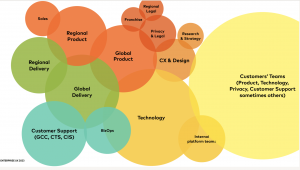
— It takes a lot to make products happen at Mastercard beyond the product, engineering, design triad
-
We are one of many groups, and are part of a complex value chain

— Mastercard’s history as a sales-driven org has resulted in a set of historical anti-patterns
-
A HIPPO culture
-
Customer-Led Decision Making
-
Mistaking a willingness to pilot versus commercialization

— HIPPO Culture: Building things because someone important had an idea
-
No insights but vibes
-
Hippos want what they want
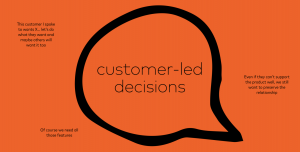
— Customer-led decision making
-
Customization gone wild, and associated scope creep
-
Bloated products that didn’t meet a need

— Mistaking willingness to pilot versus willingness to pay versus commercialization
-
Commercializing is far more expensive than pilot test

— We were to encourage more useful habits, and change ways of working beyond us and our roles
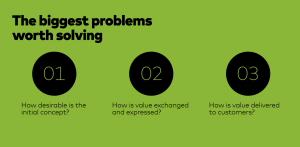
— Distilled to ways of working going sideways, in three big ways
-
Issues with desirability
-
Unclear ideas about Value exchange
-
Lack of clarity regarding value delivery
—Differentiated experiences and data to indicate values importnat to company and our future
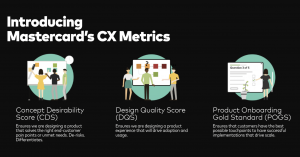
— We addressed problems though MasterCard CX metrics as standardized indicators of product quality aligned to product development framework
-
They allow proper course correction and minimize rework in product design, and allow an innovative approach
— Enable product teams to take ownership in testing and research of products, in a way they typically couldn’t
— Connected design quality to revenue generated by products
— The metrics were
-
The Concept Desirability Score
-
The Design Quality Score
-
The Product Onboarding Gold Standard
— Concept Desirability Score helped figure out the right space MasterCard should be playing in, versus where they should focus on being more invovled
— Design Quality was determined once we have market and demographic, how should product be designed for ideal sufficiency
-
When it goes out the door, from minimal market problem point of view and qualifies all touch points customers will encounter
— Onboarding Gold Standard to figure out best way partner can enable for greatest point of success
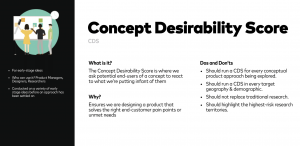
— The Concept Desirability Score included
-
Figuring out what to design, whether through unmet needs or fragmented markets, and how our company could make things better
-
Dos
-
Go broad and have many concepts for opportunity
-
Your chance to figure out how to dial things up and back as product will be combination of different things and run dozens of these
-
Shouldn’t replace traditional work
-
Highlight risks and areas to avoid, and deep dive with thematic observations that could otherwise take several months to surface
-
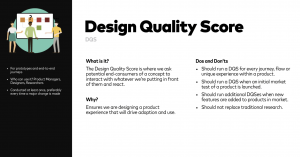
— For the Design Quality Score
-
Know we have target demo and market and thinking about the partners we need to get product out the door
-
Where it’s about more about adoption and use versus targeting the market
-
How does someone align their life to the product, from an end-user point of view
-
How to make transactions and flows and different touchpoint with a product and continue to benefit relationship with produc
-
-
Going deep on a single idea
-
Do’s and Don’ts for this include
-
Getting into cognitive models of interaction
-
Not replacement for traditional research
-
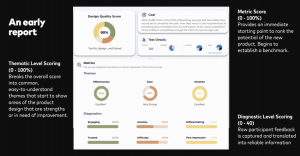
— We’ll dive deep on the anatomy of outputs of these scores
-
We created diagnostics grouping of info in particular subject matter and up to 200 people and pieces of subject matter relevant for interaction of product
— We asked in output: Do people understand and comprehend what they are looking at?
-
Disruptor to current way of behavior and how would they integrate it
-
Qualitative feedback through research practitioners and answering all questions and quantitative questions
— This then bubbles up to thematic area of score, which becomes something PMs and project manager get excited about
-
Thematic layer is where a high score lets you dive way down into opportunity areas
— Finally have top-level score that encompasses diagnostic and thematic levels screening
-
This provides a holistic view of the product’s overall satisfaction
— From researchers point of view we can have great product and can twist know slightly and make it better
-
Lot of internal development though
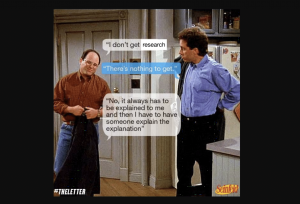
— Why all this effort?
-
To avoid project, product, portfolio managers saying, “I don’t get it” and needing someone to explain an explanation of a metric
-
Not one person who got scores felt they couldn’t act on them
-
Avoided people doing research as window-dressing and not understanding potential value offered
-
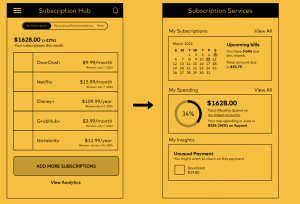
— Will now try to articulate these metrics into a wireframe case study
-
On left was first DQS run for a subscription service for MasterCard, which could let you aggregate all your subscriptions into one sport
-
We felt this would crush it from a design quality perspective
-
-
But score was low, as people felt it didn’t differentiate from an Excel spreadsheet
-
End-users didn’t see the value
-
— So redesigned to the wireframe on the right, and aligning product with a person’s daily life
-
If service changed pricing model or did something different, here’s something for you to pay attention to
-
The design on right score exponentially higher, and not possible without an initial DQS
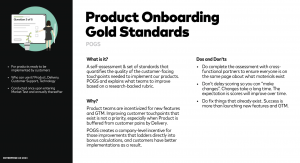
— Main audience is product from the Product Onboarding Gold Standards
-
Not measuring product at all, but quantify all touchpoints as customers try to implement product
— Customers get list of action items to choose to improve and scores that visible and have skin in the game for executives
— People are incentivized for speed to market, speed to scale, and ensuring product teams can move forward instead of of fast
— Product success should be about making customers more successful

— Our products are highly configurable
-
Can we give good instructions like documentation, troubleshooting, testing configurations?
-
If teams make changes we recommend, do they improve time to revenue and make more money
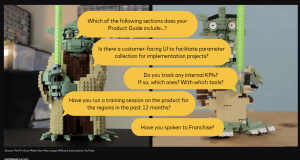
— What’s easy for us to deliver might not align with what customers need
— Asking people to take on responsibility is tough, and with incentives
-
Easy for us to plug-in to business processes
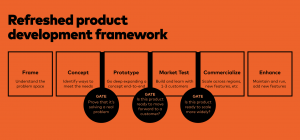
— Would be remiss if I didn’t bring up Will and Jenny’s presentation for need for metrics
— We will talk about operationalizing these metrics through a product dev framework
-
Otherwise just another checkbox, and the frame will be completely useless
— We aligned CX metrics with product stage gates that already existed
-
Moving from concept to prototypes, can come in with opportunity space
-
Prototype to market test, have score to fine-tune best in class design to take to market
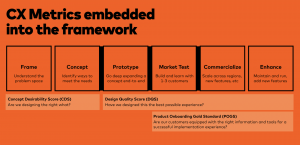
— Here’s how CX metrics align to framework and documentation, but once we’ve unveiled CX metrics, people are very grateful to have them
-
People like concept desirability score and design quality score, and onboarding goal standards
— Imagine you are armed with studies and research, so why not make sure customers build it in the right way
— All three metrics are a de-facto three-legged stool
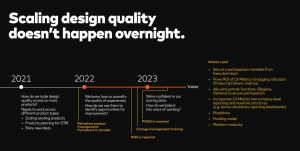
— These metrics were not an overnight process, as it started several years and not enough people were initially there, and we still needed to nudge people to better decision making
-
People without design capability required outside intervention
-
If you don’t value it, you don’t fund it
-
-
Partners required specific kinds of help
— Building on guardrails helped us scale and prevent misuse

— We previously mentioned that people perceive automation for replacement for authenticity people are excited about tools and getting product to market by using metrics
-
You couldn’t do that though
— Most of constituents once they’ve ran a few tests— recognize need for more funding the need to look at once particular piece, and view research as like a laser (not a shotgun)
-
DQS and other metrics figure out where to aim laser, and this requires coaching from the design team on proper implementation

— We also faced the huge risk of gaming the design system, and people completing the evaluation process in a desire to impress people in leadership

— Products scored in an unusually close range, and worried if all PMs lied about the metrics they had
-
They didn’t, but gold standard paradigm existed
-
We built guardrails to prevent this kind of gaming in the future, like disclosing cross-functional contributors and uploading evidence
— Needed ability to analyze data, and have someone else quantify the situation
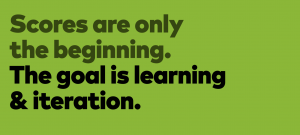
— Moral is that score are means to an end, but goals is not to create fear, but incentivize dollars for changes
-
Create air cover for teams to make improvements too
— Thank you. Any questions?
Q&A
-
How well established are measurement tools across org?
— Required for all products and have been mandated across the org
-
Point made where its less about metric itself but we make it more about mandate to get people excited about metric
-
People get excited about tools after initial frustration
-
-
Scores are just the beginning, so do you emphasize the need for learning and iteration?
— Product Managers are worried they might do badly
-
Executives looking at trends and big opportunities
-
Resisted setting up score, to make sure it was in service of change, instead of overwhelming the PMs
-
Any pro/con sentiments from product team using the scores?
— Been pro across the board, as the metrics speak their language
-
As people are so excited by metric they don’t do further research, and need shepherds to fine-tune things as they go
-
Couple of cons on B2B side to not test consumer products but banking products
-
Banking products require right audience and getting data correct
-
Dial numbers down in this case, to avoid overly challenging of data
-
-
-
How if at all, UX heuristic assessment component of metrics?
— As of night now from CDS and DQS, heuristic evaluations are further upstream from what we are doing
-
We are thinking of introducing that metric though
— We are so close at the ground, so goal is to make more money
-
How to set up data for metrics across broad range of areas?
— Run through vendor of ours, and mostly automated
-
Provided interactive prototype to get people across task
-
Combination of automation in diagnostic theme and specific things inherent to your product
-
-
Taking 30 minutes to go into the field for general populations, is inexpensive compared to other kinds of research and helps product feel like they own the project
-
It has to be cheap, fast, and understandable while tying to something real
-
This leads to benchmark for data, which we can check our products against
-
-
Information goes into scoring dashboard and contactless transactions
-
Make it easy to use, so it leads to differentiaton
— For all of metrics, we get people interested in participating and get interested in their wins and what could be done, since executives expect improvements


