
Rosenverse Live: 7 Insights on Sharing Power in Co-Design with Samuel Martin
03/30/2026Co-design is more than a methodology. It is a commitment to fundamentally rethinking who holds power in the design process and what it actually looks like to share it. In a recent Rosenverse Live session, Samuel Martin, founder of SDMC and the Co-Design Institute, brought nearly two decades of community engagement experience to a conversation that went well beyond surface-level participation frameworks. Drawing on real projects and hard-won lessons, Samuel unpacked the gap between symbolic inclusion and genuine ownership, examining how institutional norms can quietly reinforce inequality even when lived experts are present at the table. From recognizing tokenism in its earliest stages to navigating moments when organizational priorities clash with community needs, the session gave practitioners, advocates, and system designers practical footing for the uncomfortable but necessary work of building processes where lived experts don’t just have a voice but actually drive change.
We pulled seven of the most pressing themes from the session and framed them as questions worth sitting with in your own work.
View the full session for free »
Q: How do you know if you’re tokenizing community members in your design process?
A: One of the clearest signs you’ve slipped into tokenism is when community feedback is collected but never actually used. Asking for input while having no real intention of incorporating it into the work is a hallmark of what’s called the “placate” phase of engagement. It looks like participation on the surface, but the community’s voice isn’t meaningfully shaping outcomes.
Q: Should you compensate lived experience experts for their time in co-design?
A: Compensation for lived experience experts isn’t optional — it’s a baseline expectation. Too often, organizations overvalue academic or professional credentials while undervaluing the expertise that comes from direct lived experience. Paying people fairly for their time and knowledge is one of the most concrete ways to signal that their participation is genuinely valued, not just symbolic.
Q: Will community members make unrealistic recommendations in the design process?
A: A common fear going into co-design is that community members will make demands that are impossible to act on. In practice, the opposite tends to be true. People with direct lived experience typically bring grounded, practical, and even surprisingly empathetic solutions — often toward the very systems that have caused them harm.
Q: What barriers should you remove to make co-design participation equitable?
A: Participation in co-design isn’t just about showing up to a meeting. For many community members, there are real logistical obstacles standing in the way. Supporting people through things like food insecurity, internet access, or childcare needs isn’t going above and beyond. It’s a necessary part of making sure people can show up as their full selves and contribute meaningfully to the process.
Q: Why aren’t surveys always the best tool for community engagement?
A: Surveys tend to be impersonal by nature. They create distance, they’re one-directional, and they don’t approximate real human interaction. Focus groups and direct one-on-one conversations tend to yield richer, more honest feedback because they give people the space to actually be heard rather than just responding to a predetermined set of questions.
Q: How do you engage a community you don’t already have relationships with?
A: When you’re new to a community, the most important first step is identifying who already has trust there. Rather than trying to reach people directly, working with established community partners to understand the landscape, share your goals, and distribute information through channels people already trust is far more effective than cold outreach. The relationship your partners have built is something you can’t manufacture quickly, and trying to shortcut it often does more harm than good.
Q: How do you make sure community feedback isn’t misrepresented when working through intermediaries?
A: The key is building a feedback loop. Whatever information is gathered from community members should always be taken back to that community for verification before it becomes a recommendation or a report. This applies not just to direct quotes but to interpretation. The people whose experiences are being represented should have the opportunity to confirm that what’s being said actually reflects what they meant.
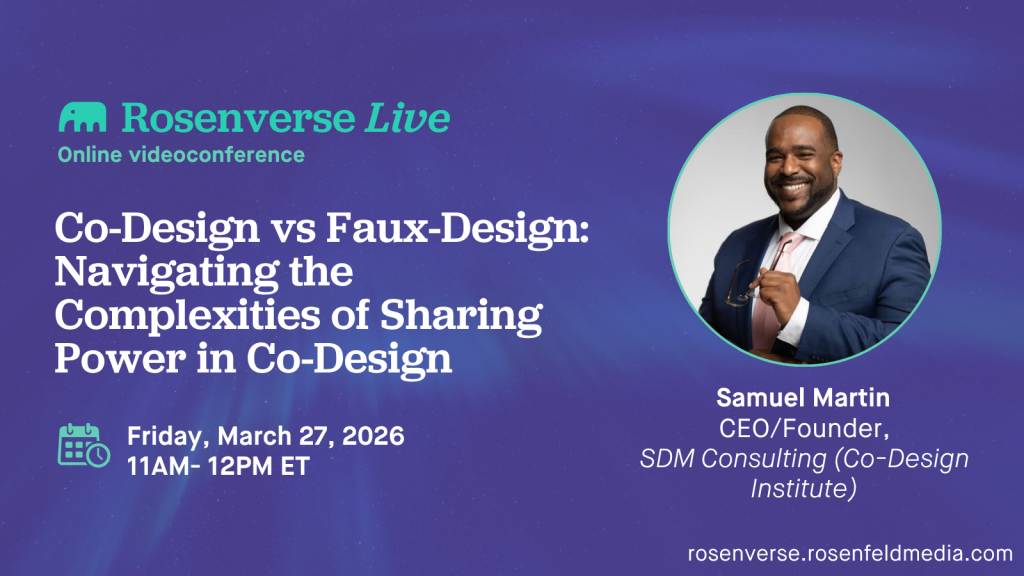
About Samuel Martin
CEO of SDMC, Samuel has 15 years of community engagement experience, advocating with government, corporations, and non-profits to develop positive legislation and policies. He has worked on legislative agenda setting and advocacy with organizations including Casey Family Programs, Foster Club, CCAI, and FCAA. Samuel is an experienced lobbyist, trainer, and public speaker, featured for organizations like Treehouse, Community for Youth, and City Year. He is committed to empowering those impacted by policy to use their voices to advocate and lead. Samuel holds a BA in Political Science from the University of Washington – Seattle Campus and a Master’s in Public Administration from Seattle University.


