

Remote Research

Real Users, Real Time, Real Research
Remote research allows you to recruit subjects quickly, cheaply, and immediately, and give you the opportunity to observe users as they behave naturally in their own environment. In Remote Research, Nate Bolt and Tony Tulathimutte teach you how to design and conduct remote research studies, top to bottom, with little more than a phone and a laptop.
Remote research allows you to recruit subjects quickly, cheaply, and immediately, and give you the opportunity to observe users as they behave naturally in their own environment. In Remote Research, Nate Bolt and Tony Tulathimutte teach you how to design and conduct remote research studies, top to bottom, with little more than a phone and a laptop.
Testimonials
No longer must you only test your interfaces with people who come to your office or some expensive lab. So stop doing boring research! Stop having a boring life! Read this book!”
Mark Trammell, User Researcher, Twitter
Nate and Tony have done it! They’ve described beautifully one of the user experience profession’s best-kept secrets—conducting remote usability tests. This book is a must-have for anyone thinking about remote testing, since it tackles everything you need from soup to nuts. I can’t wait to get a copy for my own bookshelf. Oh, it also will melt your face remotely.
Jared Spool, CEO and Founding Principal, User Interface Engineering
Nate and Tony use the attitude and power of Web 2.0 technologies to create a new way of thinking about user experience research.
Mike Kuniavsky, Author, Observing the User Experience
Table of Contents
Foreword by Peter Merholz
Chapter 1: Why Remote Research?
Chapter 2: Moderated Research: Setup
Chapter 3: Recruiting for Remote Studies
Chapter 4: Privacy and Consent
Chapter 5: Moderating
Chapter 6: Automated Research
Chapter 7: Analysis and Reporting
Chapter 8: Remote Research Tools
Chapter 9: New Approaches to User Research
Chapter 10: The Challenges of Remote Testing
Conclusion: Don’t Waste Your Life Doing Pointless Research
FAQ
These common questions about designing for kids and their short answers are taken from Nate Bolt and Tony Tulathimutte’s book Remote Research: Real Users, Real Time, Real Research. You can find longer answers to each in your copy of the book, either printed or digital version.
- What is remote user research, anyway? Is it anything like focus groups or surveys?
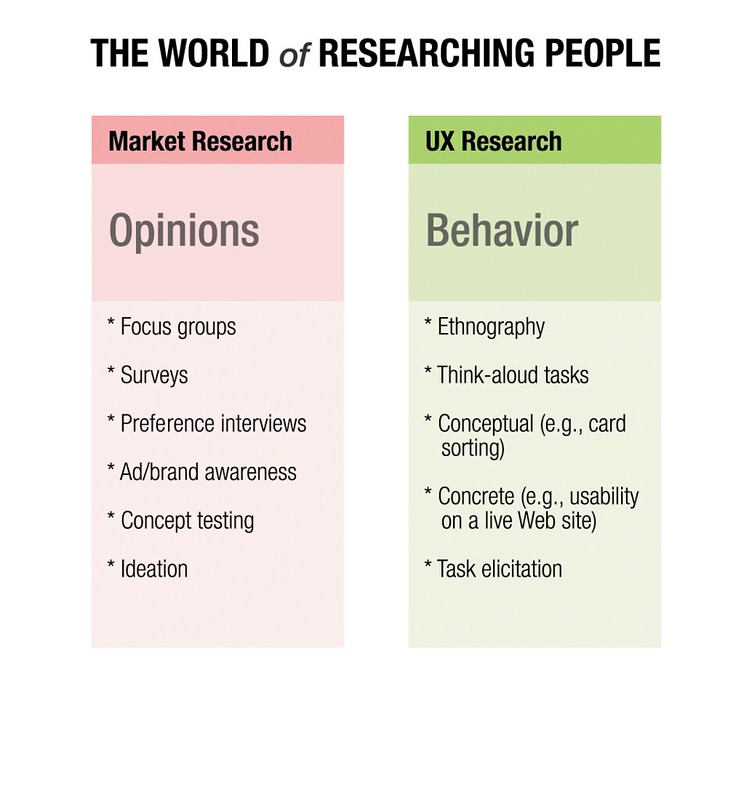
Remote user research is simply a type of user experience (UX) research that’s conducted over the phone and Internet, instead of in person. In general, UX research seeks to understand how people interact with technology. Unlike focus groups and surveys, market research techniques that are used to learn people’s opinions and preferences, UX research focuses on studying people’s behavior. In that sense, remote user research isn’t really like market research; however, both remote user research and market research can be applied toward improving the design of existing technologies and inspiring new ones.
See Chapter 1, page 3.